
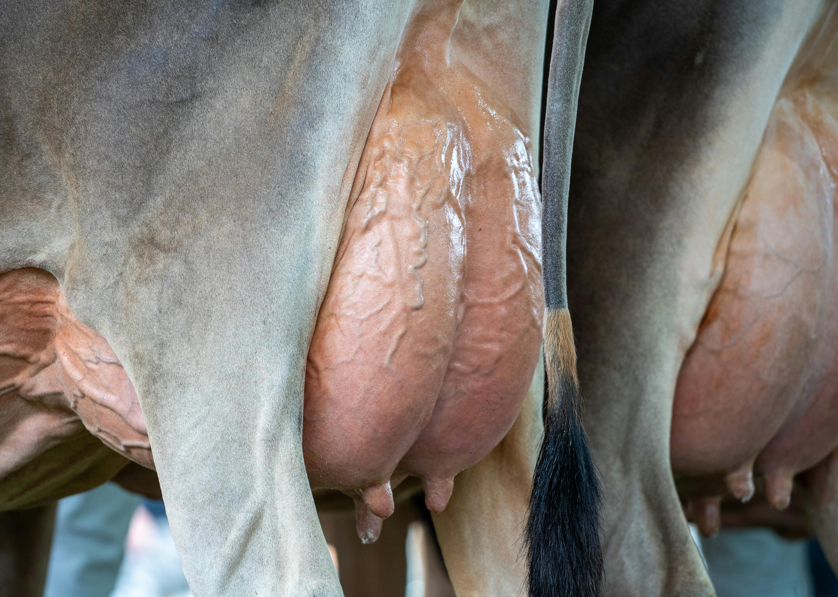
Transition period management (approximately 2-3 weeks pre-calving to 2-3 weeks post-calving) is often neglected in dairy farming due to a combination of knowledge gaps, economic pressures, operational constraints, and behavioural factors. Although this period has the highest impact on productivity, health, and profitability, it does not always receive proportional attention.
1. Economic Misconceptions
Price of transition feed/pre-mixes are generally on higher side compared to regular feed/pre-mixes and also have a misconception that farmer can save more money by feeding lower quality of feed and fodder during dry period, to increase the profitability in dairy farming. But in reality, at poorly transition managed dairy farm, following common issues may impact the whole economics of dairy farm,
Dairy animals may never reach to its genetic potential i.e. low peak yield and consequently lower lactation yield. As per an estimation, 5-liter improvement in peak production, may yield about 1000 to 1100-liter addition milk in that lactation.
- Higher incidence of metabolic diseases (milk fever, ketosis, abomasal displacement, fatty liver, mastitis)
- Lower fertility and longer calving interval (delayed heat, repeat breeding)
- Higher culling rates in early lactation
- Heavy veterinary cost (treatment) with minimal benefits
If such issues are very common on a dairy farm, first of all, review the transition period management (nutritional as well as managemental) and take corrective measures because it is foundation of whole lactation period. Need to change the investment/short term saving
2. The "Invisible" Nature of Subclinical Disease
- Many transition issues do not show obvious symptoms immediately but latter these issues directly impact the farm profitability
- Subclinical Hypocalcaemia: Lower blood calcium makes dairy animals prone to milk fever, low feed intake and lower immunity.
- Negative energy balance- Poor body condition score (BCS), lower peak yield, poor conception rate, ketosis and fatty liver.
- Delayed Consequences: Lower feed intake/poor rumen fill may lead to abomasal displacement (twisted stomach).
- Once a transition animals suffered with metabolic diseases, profitability of that animal gone for this lactation because of lower milk production, heavy treatment cost and chances of early culling.
Due to lack of awareness about transition management, farmers often fail to connect the late-season loss to the poorly managed transition-period.
3. More Focus on Lactation, Not on Preparation of new lactation
In traditional dairy farming, farmers are more focused on milk, once calving done and animal start giving milk, now farmer ready to bear extra expanses to increase the milk production like on supplements, medicine, costly feed and fodders. But this kind of practices may lead to many digestive complications, such type of complication may suppress the peak yield and lactation yield.
Dry period and close-up management are wrongly perceived as “non-productive” phases and farmer not ready to invest on Specialized transition feed, transition pre-mixes, anionic salts (DCAD) and Body condition control (optimum BCS 3-3.5). Sometime animals are completely overlooked in comparison to milking animals.
Under feeding in pre-calving transition period and overfeeding post- calving transition period (fresh-up), both are wrong practices that may lead to several transition period issues.
4. Inadequate Technical awareness:
Nutritional management of transition period is a complex topic in itself.
Managing a transition dairy animal is far more difficult than managing a high-producing milker.
- Pre calving transition diets require precise balances of minerals (like the DCAD balance to prevent milk fever), energy balance for proper BCS, optimum fibre for better rumen health, correct protein percentage in diet, specialize premixes (containing biotin, niacin, betaine, amino acid, glucogenic precursor, toxin binder, essential oils, yeast powder, antioxidants etc.).
- Post calving transition, milk production increases but feed intake not increase in the same pace as of milk production, this gap in feed intake may lead to negative energy balance, heavy loss in BCS than normal, ketosis and compromised fertility at the dairy farm.
- Technical support (dairy nutritionist, vets, dairy farm advisor) may be very helpful to manage precision requirements of transition period. He can educate dairy farmer to prevent transition issue rather than treatment of such issues.
5. Infrastructure Constraints
Effective transition management requires, Separate dry, close-up, and fresh cow grouping and diet formulation as per group requirements. Sometime farmers don’t have adequate bunk space and comfortable housing to manage transition animals separately.
7. Lack of Standard Operating Procedures (SOPs)
SOPs like regular Body condition scoring, DMI monitoring, rumen fill scoring, formulation optimization, dung scoring, urine ph monitoring, early disease detection, metabolic profile testing etc.
Without written SOPs or digital tools, transition management becomes irregular and dependent on individual experience.
8. Cultural and Traditional Mindset & Practices
In many dairy systems, feeding practices are based on tradition rather than commercial and scientific approach. Same ration is fed before and after calving.
Conclusion
Transition period management is neglected primarily because its benefits are preventive, indirect, and delayed, while its costs are immediate and visible.