
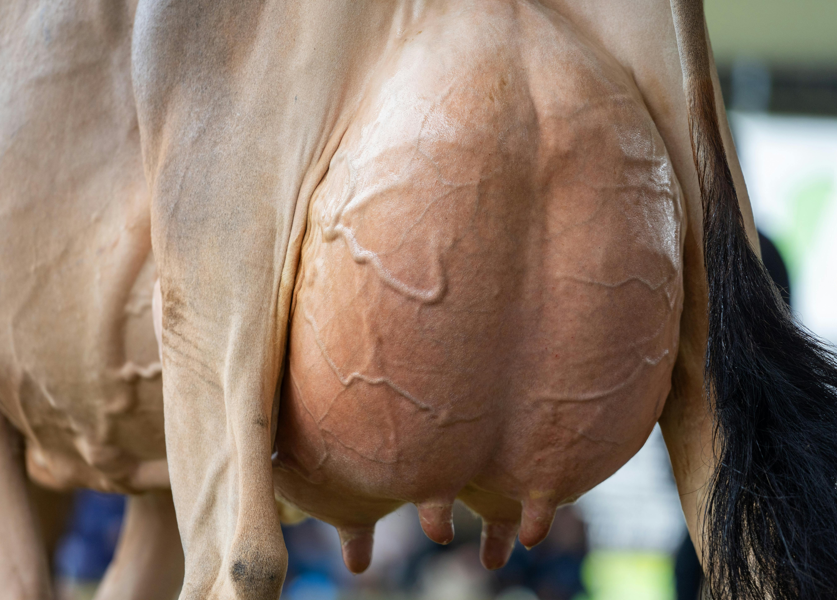
The pre-calving transition period (2-3 weeks before calving), often referred to as the "close-up period," is a critical phase in a cow's life. Effective nutritional management here directly determines the cow's health, milk production, and reproductive success for the entire upcoming lactation. Below are key considerations for nutritional requirements during this crucial period.
Dry Mater Intake (DMI)
In whole lactation cycle, lowest dry mater intake is found to be in close-up period. It varies generally between 1.5% to 2% of body weight. This is very critical parameter, any sharp and prolong suppression in dry mater intake leads with several serious metabolic complications.
Protein Requirement
Protein supply during this period determines calf health, colostrum quality, metabolic functions, and early-lactation milk production. About 13-15% dietary protein with 65-75% rumen degradable protein (RDP) and 25-35% rumen undegradable protein (RUP) can full fill the requirement. Further protein requirement can be optimized by balancing for metabolizable protein (MP) and amino acids (methionine, lysine and histidine).
Energy Requirement
Adequate energy intake is essential to support foetal growth, colostrum production, and to prepare the cow for the increased demands of milk production. About 1850-2150 Kcal/kg DM of metabolizable energy or in term of net energy (NE), 1250-1450 Kcal/Kg DM energy is required during this period.
Fiber Requirement
Dietary fiber supports rumen health and function, which is vital for maintaining overall health and dairy animal performance. Optimum dietary fiber also prevents metabolic disorders such as ruminal acidosis and abomasal displacement (DA). A minimum 25-33% of dietary NDF and 19-25% of dietary forage NDF is required for better rumen health and performance.
Mineral Requirement
The optimum dietary minerals in the close-up period are to prime calcium metabolism, develop a metabolic acidosis, support immunity, and prevent milk fever, retained placenta, and ketosis. An anionic diet having DCAD value about -100 to -150 mEq/Kg DM, prime the calcium metabolism. Dietary calcium, potassium and sodium should be lower and chlorine and sulphur should be on higher side to make the diet anionic. Optimum Magnesium level is essential for calcium and other metabolic functions. Trace minerals (Copper-20ppm, Zinc-30ppm, Manganese-41ppm, Selenium-0.3ppm, Iodine-0.62ppm, Iron-14ppm and Cobalt-0.2ppm) is essential for better utilization of macro nutrients, immunity and performance of animals. Any deficiency or excess in close-up period may lead to serious consequences later in lactation.
Vitamin Management
Vitamin nutrition during this phase has a direct impact on smooth calving, retention of placenta, mastitis, oxidative stress, metabolic diseases and early-lactation performance. A minimum dietary requirement for vitamin A (7000 IU/Kg DM), vitamin D (2000 IU/Kg DM) and vitamin E (200 IU/Kg DM) is essential to prepare the cow for a new lactation. Other vitamin like Biotin (20 mg/day), Niacin (12 gm/day), choline chloride (15-30 gm/day) and Beta carotene (300-500 mg/day) are important for a successful transition management.
Water Management
Water is most critical yet often overlooked nutrient during the close-up period. Low water intake at this stage lowers the dry mater intake (DMI), rumen fill, calcium absorption and colostrum yield, raising the risk of milk fever, ketosis and retention of placenta. clean, potable water must be available at all the times
Conclusion
In conclusion, the close-up period plays a pivotal role in determining the health and productivity of dairy cows during lactation. Carefully managing nutritional requirements, such as dry matter intake, protein, energy, fiber, minerals, vitamins, and water, is essential to ensure a successful transition. By optimizing these factors, dairy farmers can support their cows' health, improve milk production, and enhance overall herd performance.