
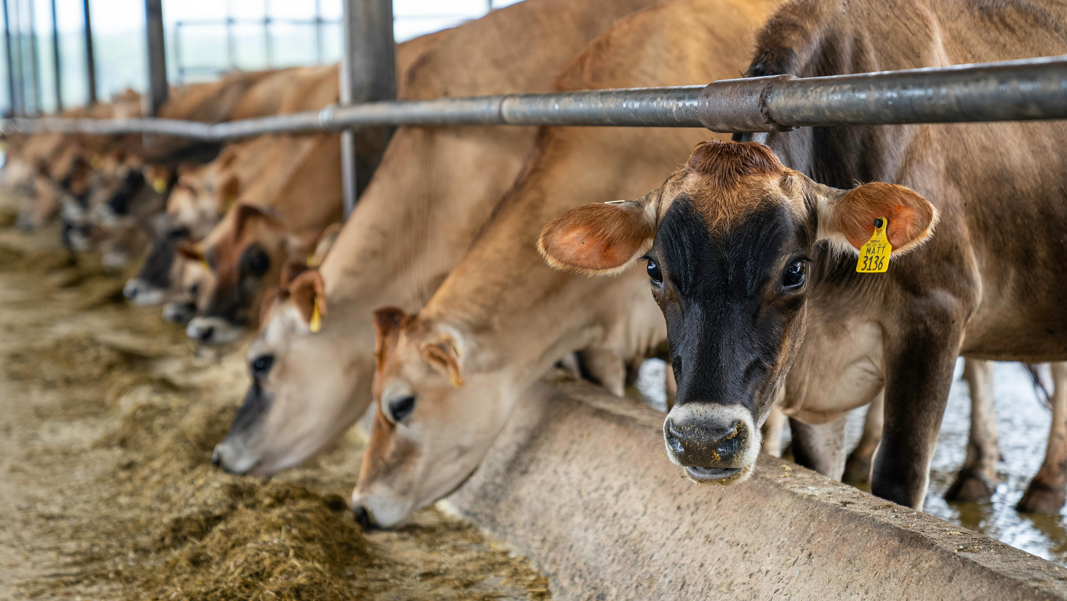
The transition period, typically defined as the three weeks before to three weeks after calving, is a critical time for dairy cows. Effective transition management is essential for ensuring cow health, milk production, and overall farm profitability. This document outlines key aspects of transition cow management.
Nutritional Management
Proper nutrition is paramount during the transition period. Cows experience significant metabolic changes and increased nutrient demand as they approach calving and begin lactation. Key Considerations include-
- Dry Matter Intake (DMI): Maximizing DMI is crucial. Provide highly palatable and digestible feeds. Monitor feed intake closely and adjust rations as needed.
- Energy Balance: Transition cows are often in negative energy balance (NEB). Formulate rations to minimize NEB by increasing energy density and ensuring adequate intake.
- Protein: Adequate protein is essential for colostrum production and immune function. Supplement with rumen-protected amino acids if needed.
- Minerals and Vitamins: Pay close attention to calcium, phosphorus, magnesium, potassium, and vitamins A, D, and E. Supplement as needed to prevent metabolic disorders like milk fever.
- Fiber: Ensure adequate fibre content in the ration to maintain rumen health and prevent acidosis.
Environmental Management
The environment in which transition cows are housed plays a significant role in their health and wellbeing. Consider the following-
- Housing: Provide clean, dry, and comfortable housing. Ensure adequate space per cow to reduce stress and competition.
- Ventilation: Maintain good ventilation to minimize ammonia and other noxious gases.
- Temperature: Provide shade in hot weather and protection from cold weather. Consider cooling strategies like fans and sprinklers in hot climates.
- Social Interactions: Minimize social stress by grouping cows based on parity and stage of lactation. Avoid overcrowding.
Health Monitoring and Disease Prevention
Close monitoring of transition cows is essential for early detection and treatment of health problems. Implement the following:
- Regular Observation: Observe cows daily for signs of illness, such as decreased appetite, lethargy, and abnormal behaviours.
- Temperature Monitoring: Take rectal temperatures of cows that appear ill. Udder Health: Monitor udder health closely and treat mastitis promptly.
- Metabolic Disorders: Be vigilant for signs of milk fever, ketosis, displaced abomasum, and retained placenta. Implement preventative measures as needed.
- Vaccination: Follow a veterinarian-recommended vaccination program to protect against common diseases.
Calving Management
Proper calving management is critical for both cow and calf health. Key practices include:
- Cleanliness: Provide a clean and dry calving area.
- Assistance: Assist cows that are experiencing difficulty calving, but avoid unnecessary intervention.
- Colostrum Management: Ensure that calves receive adequate high-quality colostrum within the first few hours of life.
- Umbilical Cord Disinfection: Disinfect the umbilical cord with iodine to prevent infection.
- Postpartum Monitoring: Monitor cows closely after calving for signs of complications, such as metritis and retained placenta.
Key Takeaways
Effective transition cow management requires a holistic approach that encompasses nutrition, environment, health monitoring, and calving management. By implementing best practices, dairy producers can minimize health problems, maximize milk production, and improve the overall wellbeing of their cows.